
A First-Timer’s Step-by-Step Guide to LCL Shipping from Turkey
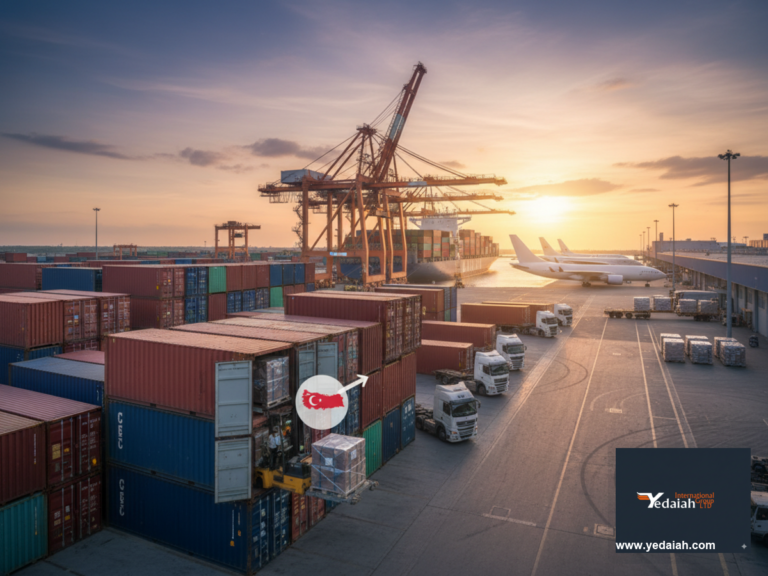
Shipping commercial cargo internationally for the first time requires navigating complex logistics and changing regulatory landscapes. With Turkey recently removing low-value customs duty exemptions and enforcing full declarations for cross-border trade, businesses can no longer rely on informal courier options for commercial goods. Embracing structured LCL shipping from Turkey—where you share ocean container space with other shippers—allows first-time importers and exporters to minimize freight overhead while remaining fully compliant. Here is a practical, step-by-step roadmap to guide your first groupage shipment from origin to final destination.
Step 1: Cargo Preparation and Volume Calculation
Before booking space in a consolidated container, you must accurately measure and package your goods. LCL freight charges are determined by volume in Cubic Meters (CBM) or weight, depending on whichever figure is higher under the standard revenue ton calculation.
- Measure accurately: Calculate the outer dimensions (Length x Width x Height in meters) of packed boxes or stacked pallets to determine total CBM.
- Use export-grade packaging: Because your cargo shares container space with goods from other suppliers, items must be robustly boxed, palletized, and shrink-wrapped to withstand handling.
- Identify HS Codes: Assigning correct Harmonized System codes early ensures accurate duty calculations and prevents customs holds at destination ports in the US, UK, or Europe.
Step 2: Delivery to the Consolidation Warehouse
Once your booking is confirmed, your goods must travel from your Turkish supplier or manufacturer to a designated consolidation warehouse or Container Freight Station (CFS).
You can arrange land transport directly or coordinate with your freight forwarder to handle factory pick-up. Upon arrival at the warehouse, staff will measure and weigh the shipment against the booking details, issue a cargo receipt, and securely store the goods. Professional warehouse personnel then arrange cargo stowing and lashing inside the ocean container to ensure stability during maritime transport.
Step 3: Managing Export Customs and Documentation
With regulatory shifts requiring formal customs declarations for virtually all commercial shipments entering or exiting Turkey, accurate documentation is essential. Mistakes at this stage cause vessel delays and unexpected storage fees.
- Commercial Invoice and Packing List: Must clearly list item descriptions, unit values, gross/net weights, and terms of sale (Incoterms).
- Certificate of Origin: Necessary for proving product origin to apply trade preferences or comply with destination country tariff rules.
- Master and House Bill of Lading (B/L): Your forwarder issues a House Bill of Lading covering your specific cargo lot once loaded.
Step 4: Ocean Transit, Devanning, and Final Delivery
After export clearance, the consolidated container is loaded onto the ocean vessel. During ocean transit, you can track your shipment using your forwarder’s tracking references.
Upon arrival at the destination port (such as major entry points in the USA or UK), the container is moved to an import CFS for “devanning”—the process of unpacking the shared container into individual consignments. Your customs brokerage team submits destination import entries, pays applicable duties or tariffs, and obtains clearance. Once released, final-mile land transport brings your cargo straight to your warehouse, commercial facility, or distribution center.
Navigating international groupage logistics for the first time is straightforward when supported by an experienced freight partner with offices in Turkey, the UK, and the USA offering integrated sea freight, warehousing, and customs brokerage services.
Ready to launch your first consolidated shipment? Get a free quote for LCL groupage services today.