
A Practical Guide for Importers and Exporters
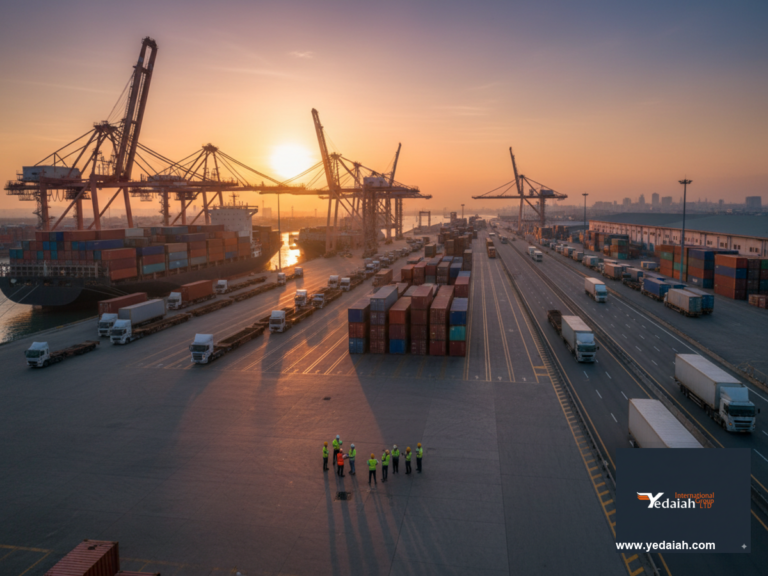
Navigating customs clearance in Turkey can be complex, especially for businesses that move goods across borders regularly. Understanding the local regulations, preparing the right paperwork, and partnering with a reliable customs brokerage Turkey can significantly reduce delays and unexpected costs. This guide outlines the essential steps to ensure your shipments clear Turkish customs efficiently.
Know the Core Regulations Governing Turkish Customs
Turkey follows the customs framework established by the Ministry of Trade, which aligns with the EU customs union for many goods. Key points to keep in mind include:
- Tariff classification based on the Harmonized System (HS) code determines duty rates.
- Import and export licenses may be required for specific product categories, such as chemicals, food, and medical devices.
- Value‑added tax (VAT) and special consumption taxes apply depending on the commodity.
- Trade agreements, including the EU Customs Union and various free trade agreements, can lower or eliminate duties for qualifying goods.
Staying up‑to‑date with these rules helps you anticipate costs and avoid compliance issues.
Prepare Accurate Documentation for Smooth Customs Clearance Turkey
Incomplete or inaccurate paperwork is the most common cause of delays. The essential documents typically include:
- Commercial invoice with detailed product description, HS code, and declared value.
- Bill of lading or airway bill, depending on the mode of transport.
- Packing list showing dimensions, weight, and packaging details.
- Certificate of origin, especially when benefiting from preferential tariffs.
- Import/export permits or certificates for regulated items.
Double‑checking each document before submission reduces the risk of customs holds and additional inspections.
Why Partner with a Professional Customs Brokerage in Turkey
A specialized customs brokerage Turkey, such as Yedaiah International Logistics Group, brings expertise that streamlines the clearance process. Benefits include:
- Accurate HS code classification to optimize duty payments.
- Management of electronic customs declarations through the Turkish Customs Automation System.
- Coordination with customs officials to resolve queries quickly.
- Integration with other logistics services—air freight, sea freight, land transport, and warehouse handling—for end‑to‑end visibility.
By leveraging a trusted broker, you can focus on core business activities while ensuring compliance.
Managing Duties, Taxes, and Payments Effectively
Understanding the cost structure of customs clearance Turkey helps you budget accurately:
- Customs duties are calculated on the customs value, which includes the cost of goods, freight, and insurance (CIF).
- VAT is applied on the sum of customs value, duties, and any additional charges.
- Special consumption taxes may apply to products like alcohol, tobacco, and luxury goods.
- Payment can be made directly or through a customs broker who offers deferred payment options for qualified clients.
Working with a broker who monitors tariff changes ensures you capture any duty reductions or exemptions promptly.
Common Pitfalls and How to Avoid Them
Even experienced traders encounter obstacles. Here are frequent issues and preventive actions:
- Incorrect HS codes: Verify codes with a customs specialist to prevent over‑paying duties.
- Missing permits: Check product‑specific licensing requirements well before shipment.
- Inconsistent invoice values: Align invoice amounts with commercial contracts and ensure they reflect the true transaction value.
- Late submissions: Use electronic filing and maintain a checklist to meet filing deadlines.
Proactive planning and a reliable customs brokerage Turkey can turn these challenges into manageable tasks.
By following these practical steps and partnering with an experienced customs broker, you can achieve faster, more cost‑effective customs clearance Turkey for all your international shipments.