
Understanding Turkish Customs Paperwork: A Guide for First‑Time Importers
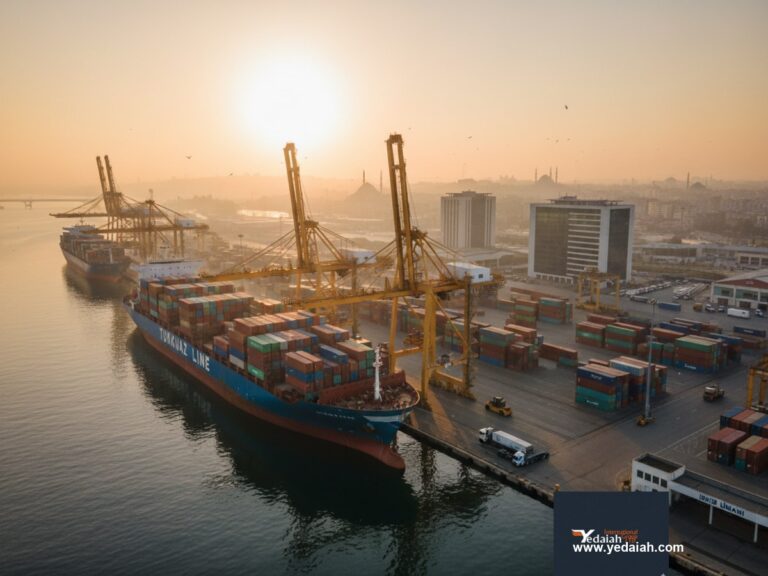
Importing goods into Turkey for the first time can feel overwhelming, especially when you encounter unfamiliar customs forms and strict regulations. This guide breaks down the core paperwork you’ll need, highlights typical reasons for clearance delays, and explains how partnering with a professional customs broker can keep your shipments moving smoothly.
Key Documents Required for Turkish Customs Clearance
Turkish customs relies on a specific set of documents to verify the nature, value, and origin of imported goods. First‑time importers should prepare the following:
- Commercial Invoice: Detailed description of the goods, unit price, total value, and seller‑buyer information.
- Packing List: Itemized list showing quantities, weights, dimensions, and packaging method.
- Bill of Lading or Air Waybill: The transport document that proves the carrier’s receipt of the cargo.
- Certificate of Origin: Required for preferential tariff treatment under trade agreements.
- Import License (if applicable): Certain products such as chemicals, food, or medical devices need a specific license before entry.
- Customs Declaration (Form 10): The electronic declaration submitted through the Turkish Customs Automation System (TIR).
Ensuring each document is complete, accurate, and matches the other paperwork reduces the risk of mismatches that trigger inspections.
Common Causes of Delays at Turkish Customs
Even with all documents in hand, shipments can be held up for several reasons. Understanding these pitfalls helps you plan realistic lead times:
- Incorrect HS Codes: Misclassifying goods leads to wrong duty calculations and may trigger a manual review.
- Valuation Discrepancies: Differences between the declared value and the invoice can raise red flags.
- Missing or Incomplete Certificates: Absence of a required Certificate of Origin or import license halts clearance.
Proactive verification of each item before submission can mitigate many of these issues.
How a Customs Broker Streamlines the Process
A customs broker acts as an intermediary between you and Turkish customs authorities. Their expertise brings several advantages:
- Document Preparation: Brokers ensure all forms, including the electronic declaration, are correctly completed and uploaded.
- Tariff Classification: Accurate HS code assignment minimizes duty errors and reduces the chance of audits.
- Regulatory Guidance: They identify product‑specific licensing requirements and obtain necessary certificates.
- Issue Resolution: If customs raises questions, a broker can respond promptly, providing additional documentation or clarification.
- Time Savings: By handling communication with customs officials, brokers shorten the clearance timeline, allowing you to focus on core business activities.
Yedaiah International Logistics Group offers dedicated customs brokerage services, leveraging local knowledge to keep your imports compliant and on schedule.
Practical Tips for First‑Time Importers
To further smooth your entry into the Turkish market, consider these best practices:
- Verify HS codes using the Turkish Customs Tariff before shipping.
- Cross‑check the commercial invoice against the packing list for consistency.
- Maintain digital copies of all documents for quick retrieval during audits.
- Plan for a buffer period of at least 3‑5 business days to accommodate potential inspections.
- Engage a customs broker early in the planning stage rather than waiting for a problem to arise.
Applying these steps reduces uncertainty and helps you build confidence in your import operations.
Ready to simplify your first import into Turkey? Get a free quote and let Yedaiah’s customs experts guide you through every step.